 En

Practical guides
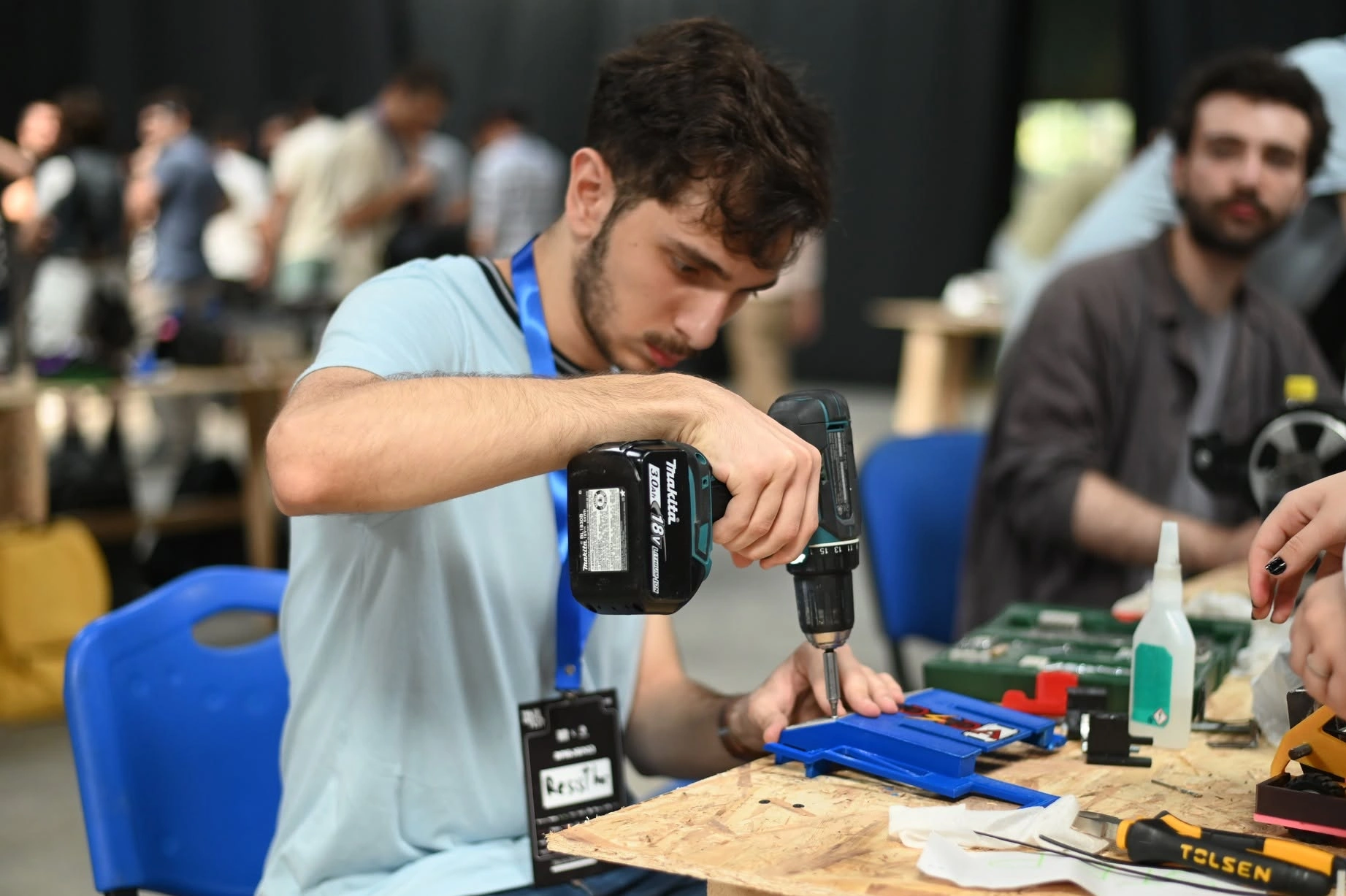
Fast Line Follower Build: Custom PCB, Suction Fan, Encoders
How to build a fast line follower robot from scratch: the RoboChallenge classes, a custom PCB, 3D printing and CNC, encoder motors, a suction fan and speed profiles.

Articles on this topic from the GRA blog: guides, news and competition stories.
How to build a fast line follower robot from scratch: the RoboChallenge classes, a custom PCB, 3D printing and CNC, encoder motors, a suction fan and speed profiles.
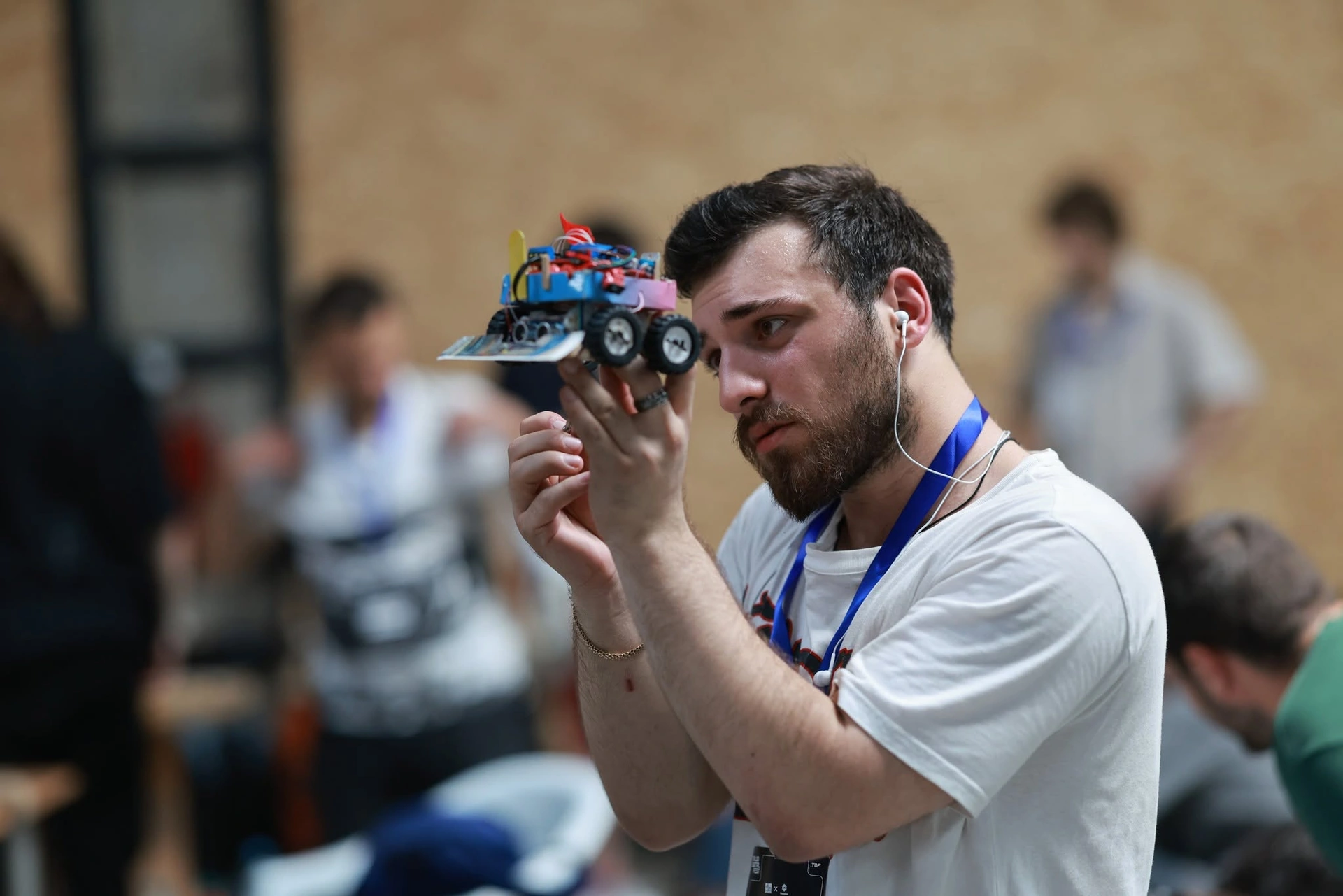
How to build a nano sumo robot: the sumo weight classes, a 2.5 cm cube and 25 g, the PCB as the chassis, reflow soldering, laser cutting, tiny motors and ring tests.
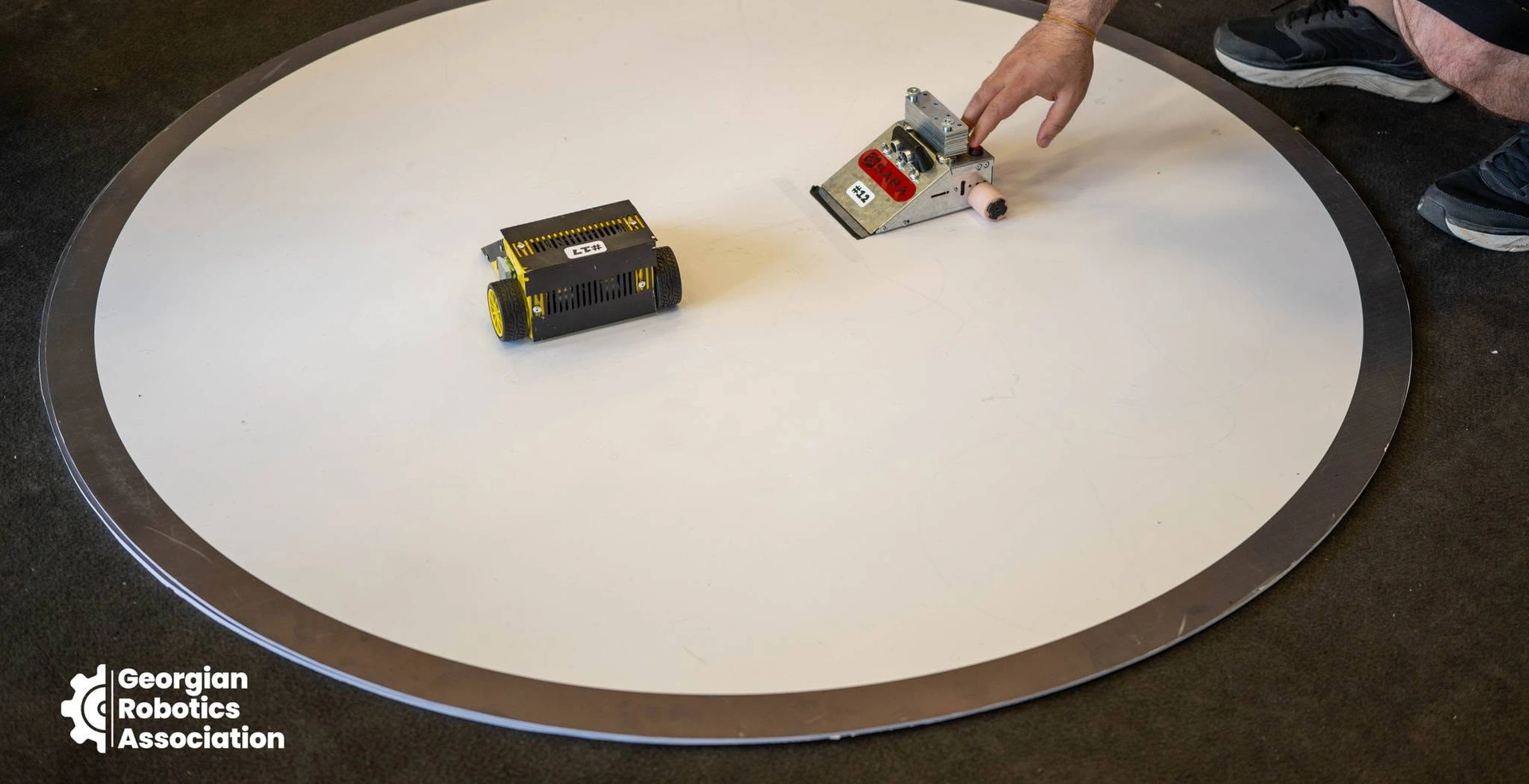
How to build a micro sumo robot: the weight classes, a PCB as the body, CNC, laser cutting, 3D printing, cast tyres, the start module and a weight budget to the gram.
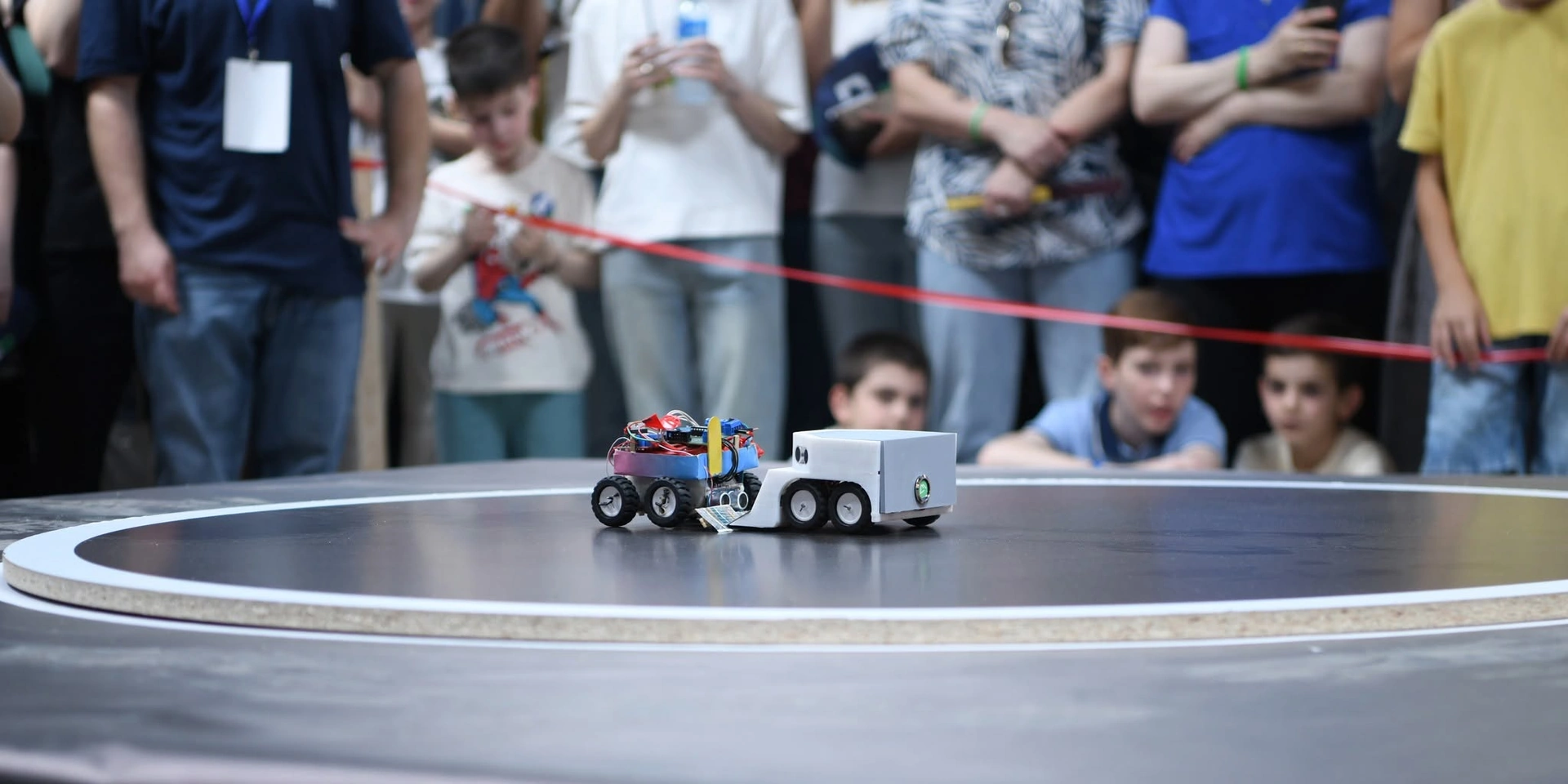
A mini sumo robot build, pro level: the 500 g, 10 × 10 cm class, a custom PCB in KiCad, SMD soldering, CNC and laser-cut parts, cast tyres, a hardened blade and code.
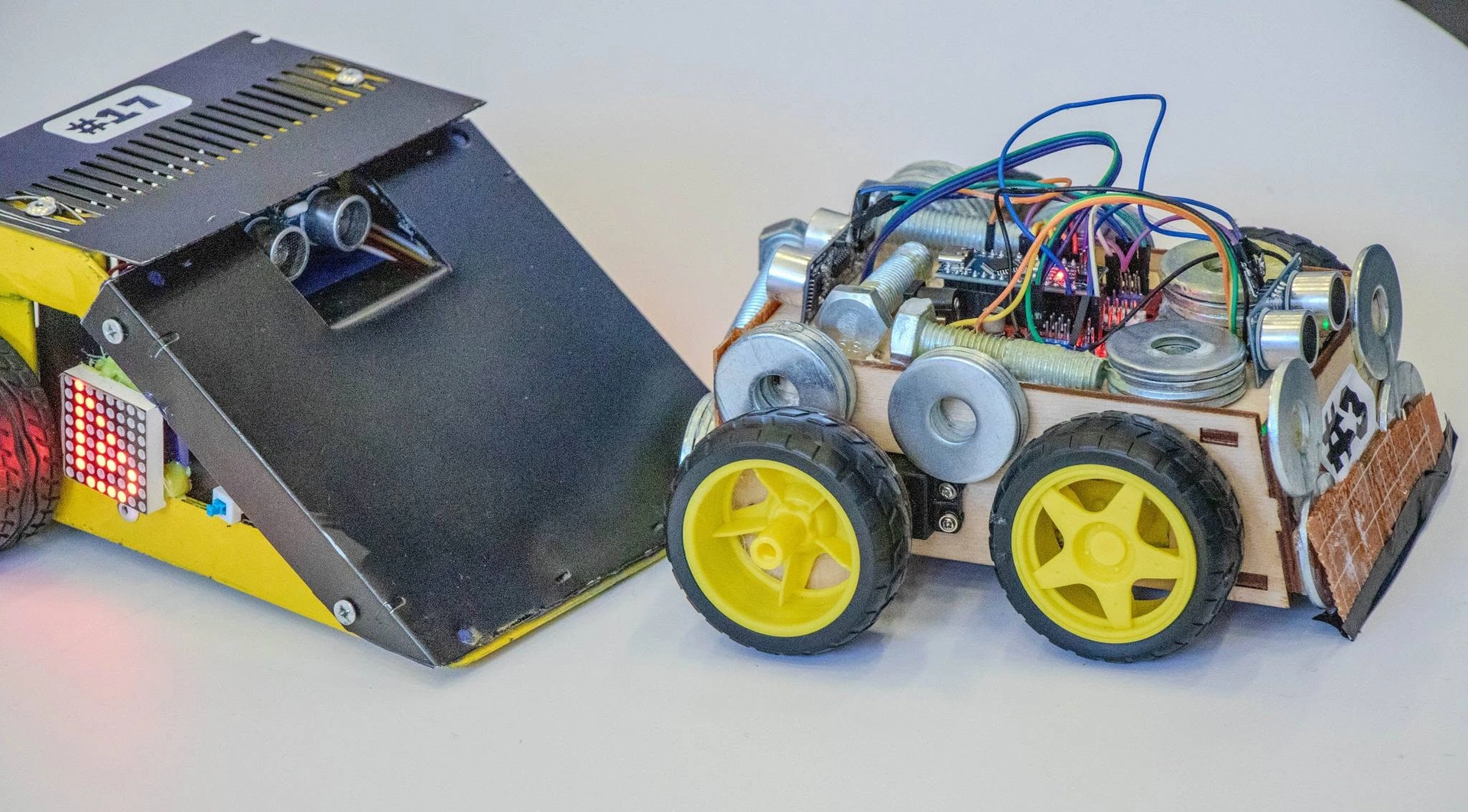
Mega sumo robot build, step by step: the 3 kg class vs the other weight classes, a CNC-machined frame, laser cutting, 3D printing, magnets, the PCB and the sensors.
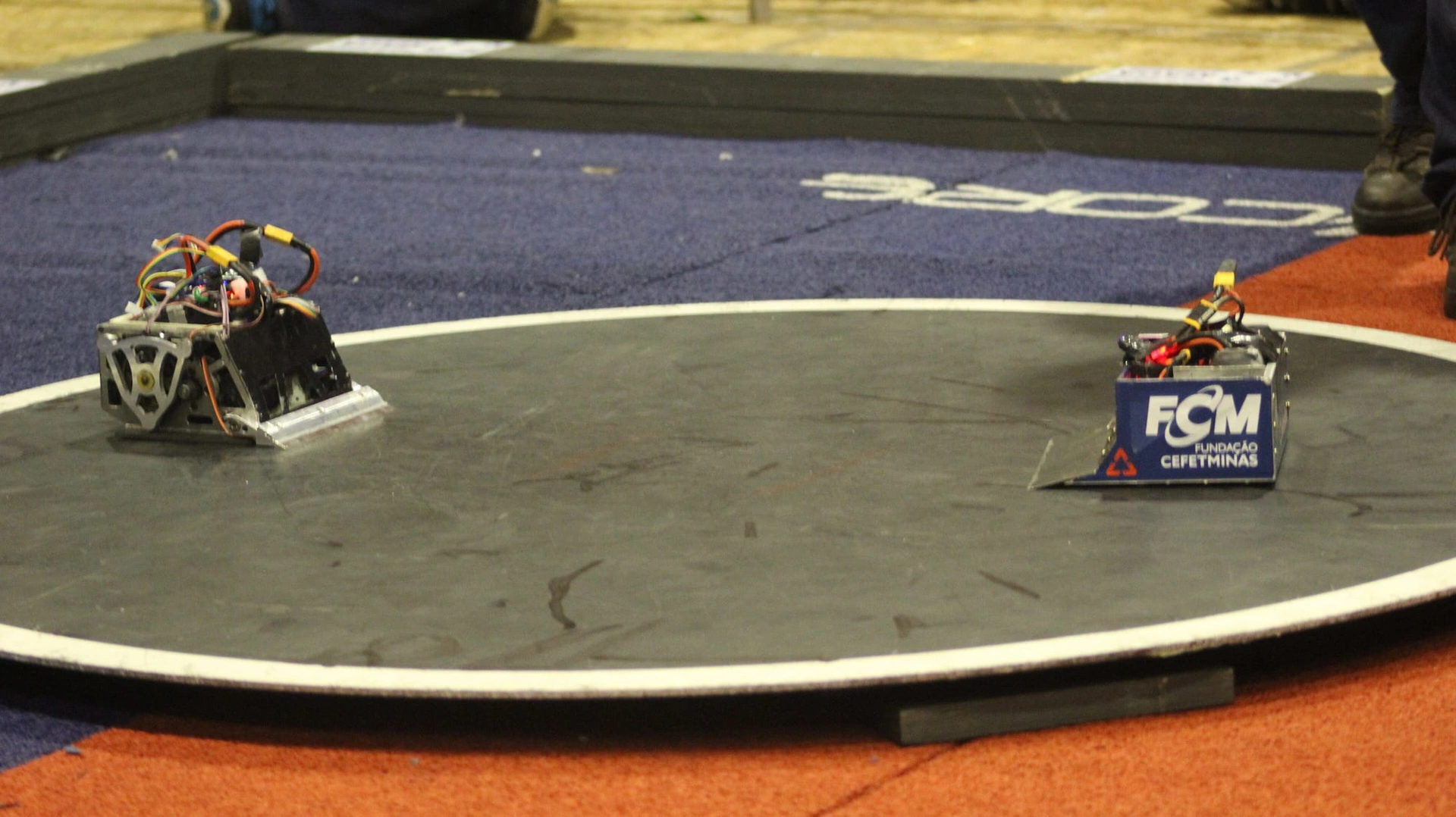
Mega Sumo is the 3 kg autonomous robot sumo class: rules, the steel ring, magnets, motors, sensors, safety and our 2026 champion team RageByte.
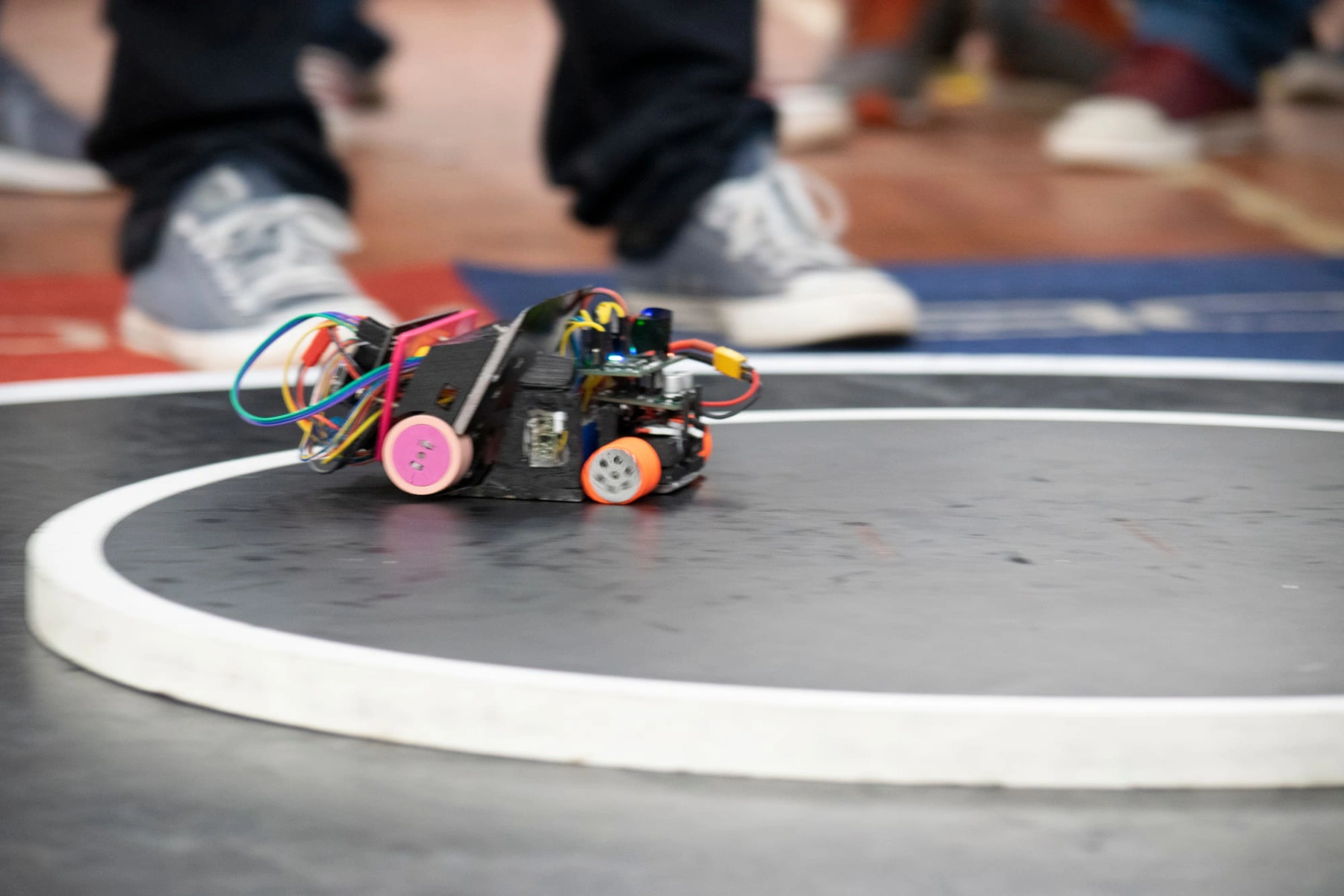
Mini Sumo rules (10×10 cm, 500 g), parts, wiring, robot logic and a homologation checklist, plus Kokadama, Georgia’s 2026 Mini Sumo champion.
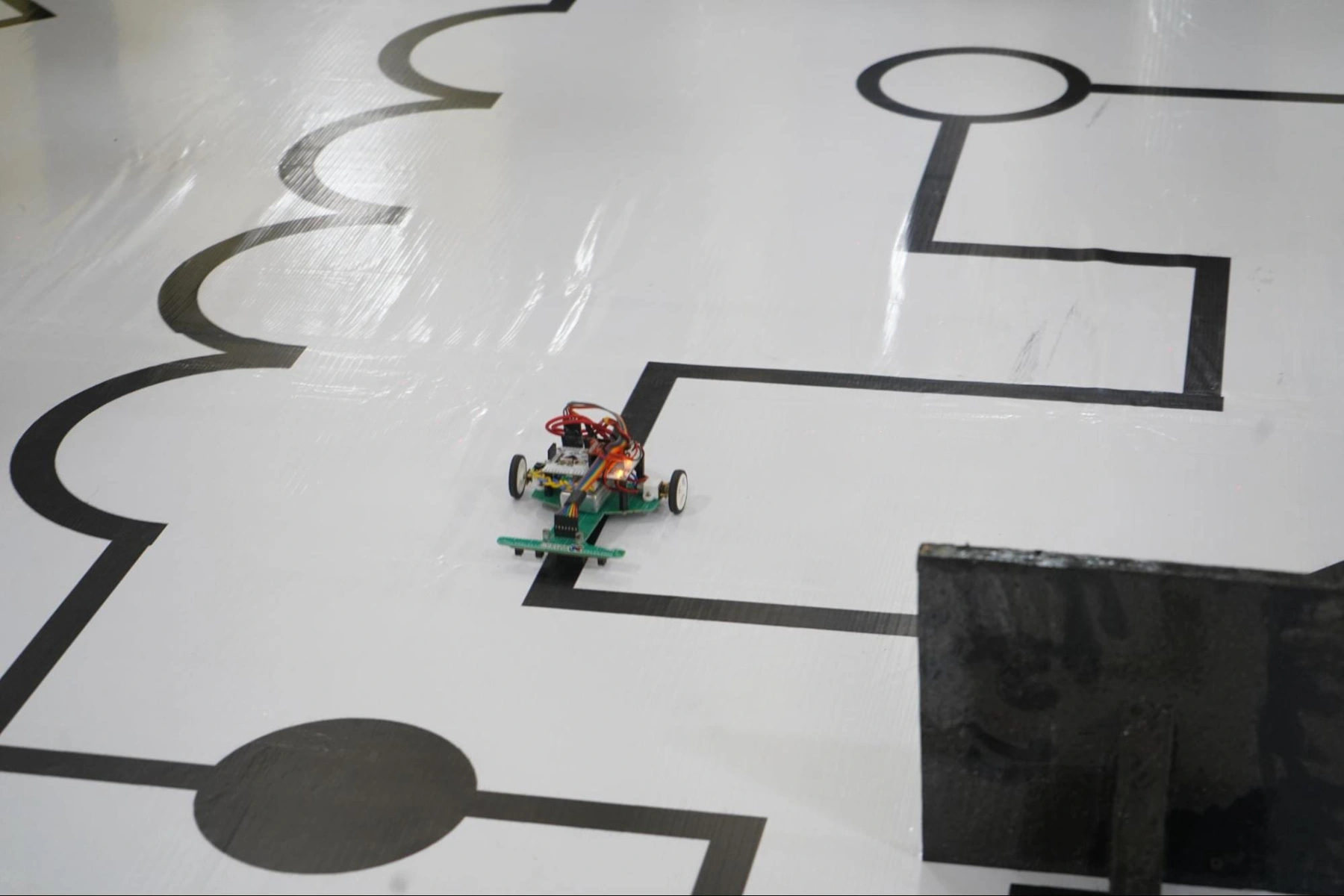
What makes a competition line follower robot fast: sensor arrays, PID tuning, racing hardware, RoboChallenge rules and Kavtazi, Georgia's champion team.
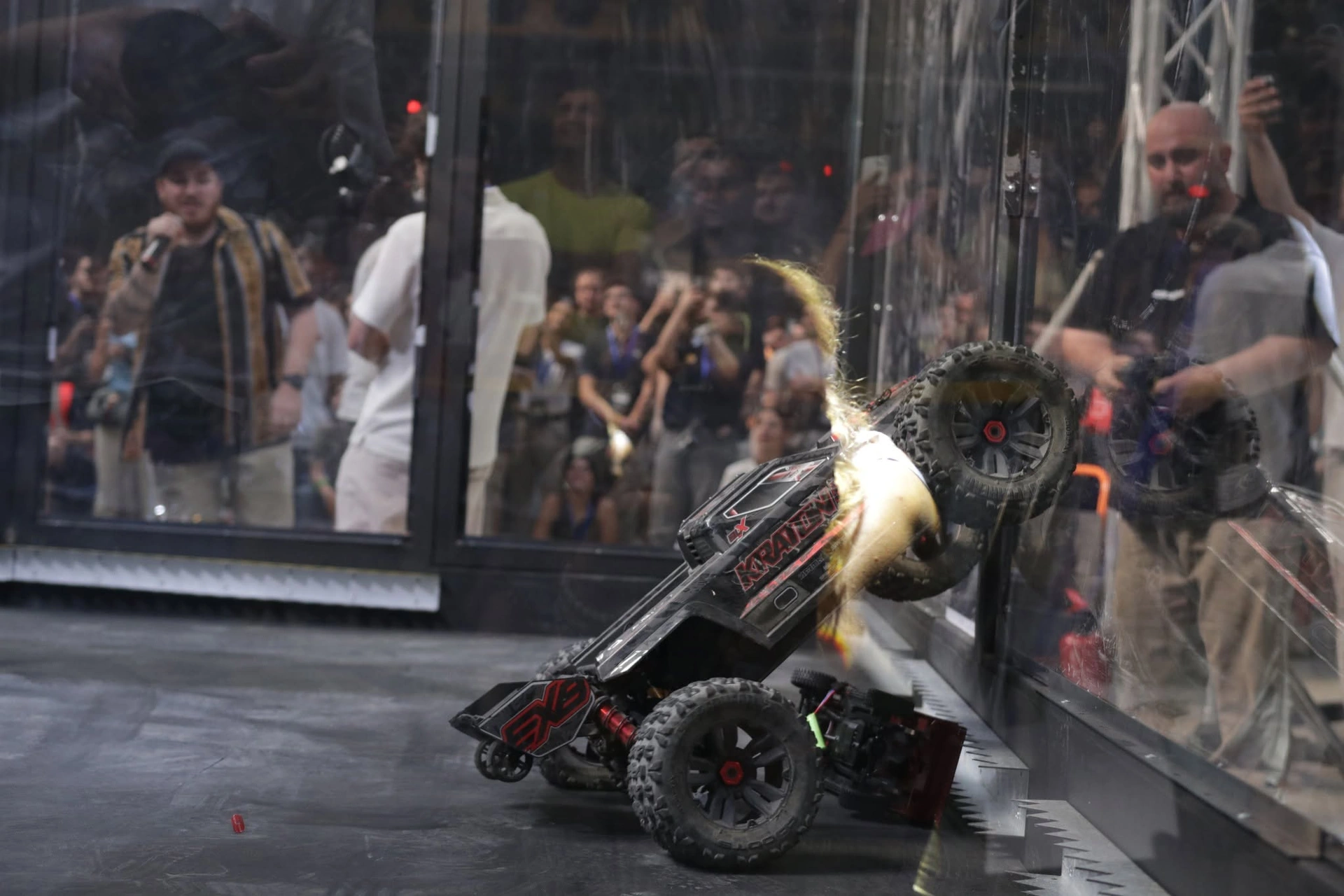
ROBO BATTLE International “Black Sea Cup”, Tbilisi 2027: the four weight classes and fees, the stages up to the final inspection, how fights are judged, arena safety and what spectators will see.